5 Different Ways to Replace a Missing Tooth

dental implant treatment

On a scale of 1-10, how likely can a missing tooth change the appearance of your smile and negatively impact your oral health and confidence? Definitely, a ten if you don’t avail of a treatment to replace the missing tooth.

Whether a missing tooth is a result of severe tooth decay, gum disease, or a genetic condition, it can lead to numerous problems. Regardless of how it is caused, a missing tooth can negatively affect the alignment of your teeth and lead to a number of problems if not replaced. In addition to this, missing teeth can affect your ability to chew food, speech, and jawbone integrity and lead to the shifting of teeth slowly into some of the empty spaces. Fortunately, due to advancements in technology, there are various treatment options available to replace a missing tooth or teeth that can help reinstate your charming smile. Read this blog to find out about them-

1. Dental Implants:

A dental implant is one of the most common and acceptable treatment methods for the replacement of teeth. A dental implant is a reliable tooth replacement option that looks and feels like a real tooth. A dental implant treatment can work well if a single tooth is to be replaced; Also, it may be more comfortable option for the replacement of multiple teeth. Ask those who have them in their mouth.  If taken care of, a dental implant can even last for a lifetime.

2. Fixed Bridge

A fixed bridge is used to bridge the gap between the missing teeth. The process of placing a fixed bridge involves multiple visits to the dentist.

A fixed dental bridge, however, does not need to be removed for cleaning once it is in position, mimics the appearance, feel, and functionality of natural teeth, and is often significantly less expensive than a dental tooth implant.

3. Removable partial dentures

A removable partial denture looks like natural teeth and replaces a small area of missing teeth. While a removable partial denture is excellent for chewing and gives aesthetic appeal, it is far less durable than a bridge or tooth implant, and it can get uncomfortable when worn for a long time.

However, removable partial dentures are the most cost-effective tooth replacement option available and are also easy to repair in case damage occurs. You can connect with the best dental clinic in Gurgaon to learn more about this option.

4. Removable complete denture

The number of dental visits associated with removable complete dentures can vary depending on how many teeth you currently have.

A removable complete denture is used to replace all the teeth, as opposed to a removable partial denture, which merely replaces a segment of missing teeth.

A removable complete denture is both aesthetically pleasing and functional, but it shouldn’t be worn constantly.

5. Resin-retained bridge

Compared to a fixed bridge, a resin-retained bridge is much less invasive. A fixed bridge is preferable for teeth that are used for chewing. In contrast, a resin-retained bridge can be a good alternative option for missing front teeth, which normally don’t sustain as much pressure. The surrounding teeth on either side of a resin-retained bridge serve as its anchors. Despite having a reputation for being less resilient than a fixed bridge, they tend to be less costly. The best dental clinic in Gurgaon can offer affordable prices for resin-retained bridges.

Are you looking for the best dental surgeon in Gurgaon to replace your missing tooth or teeth? If so, then connect with Alveo Dental, the best dental clinic in Gurgaon, for high-quality Premium teeth replacement treatment.
Frequently Asked Questions about Dental Implants

best dental implant clinic in gurgaon

When a tooth is lost due to illness or injury, there may be unwanted adverse effects such as quick bone loss, speech problems, or altered chewing habits. A dental implant is the best way to artificially replace a missing tooth. They can also make you self-conscious about your smile.

However, one can greatly enhance health and quality of life by using a dental implant to replace a missing tooth.

Dental implants are artificial tooth roots that are inserted into the jawbone surgically. The implant is held firmly in place over several months by the bone surrounding it, which later develops. The gap is filled with prosthetic teeth connected to the implant using a connector.

So, if you decide to replace your lost teeth, connect with the best dental surgeon in Gurgaon.

Also, to completely understand Dental Implants, here are some of the commonly asked questions. Have a look at them to learn all about dental implants.

Who is the right candidate for dental implants?

Dental implants are a good option for anyone who is missing one tooth, several teeth, or all of their teeth. However, you can discuss your issues with your prosthodontist for the appropriate treatment.

What is the cost of Dental implants?

Generally, the price of a dental implant to replace a single tooth is nearly equal to that of a traditional fixed bridge. The price will change according to the condition’s severity, the bones size, and its location. A prosthodontist will evaluate your situation depending on your particular needs. Also, according to the circumstances, dental implant treatment may be covered by some insurance plans.

What is the success rate of dental implants?

It varies from person to person, depending on health and behaviours. Dental implants are expected to be successful for a healthy person with good oral hygiene and good health, with reported success rates above 90–95 per cent.

What are the benefits of Dental implants?

Some of the most common benefits of Dental Implants are as follows:

  • Restores cosmetic appearance
  • Preserves the health of the surrounding bone and gums
  • Maintains the stability of surrounding (adjacent) teeth and enhances the quality of life

Are Dental Implants Painful?

Most patients who have had dental implants report that the treatment causes very little discomfort. The surgery can be done under local anaesthesia; patients say getting implants is less painful than getting a tooth out.

How Should I Maintain My Dental Implants?

Dental implants need to be cared for in the same ways as natural teeth. This includes:

  • Brushing
  • Flossing
  • Using an antimicrobial mouthwash
  • Regular visits to your dentist

Indeed, implants can offer long-term benefits and have a high percentage of success.

So, if you want a naturally flawless smile that lasts for a lifetime, schedule an appointment with

the best dental hospital in Gurgaon, i.e., Alveo Dental Clinic. We provide comprehensive dental care to adults and children with great care. Consult with us today!

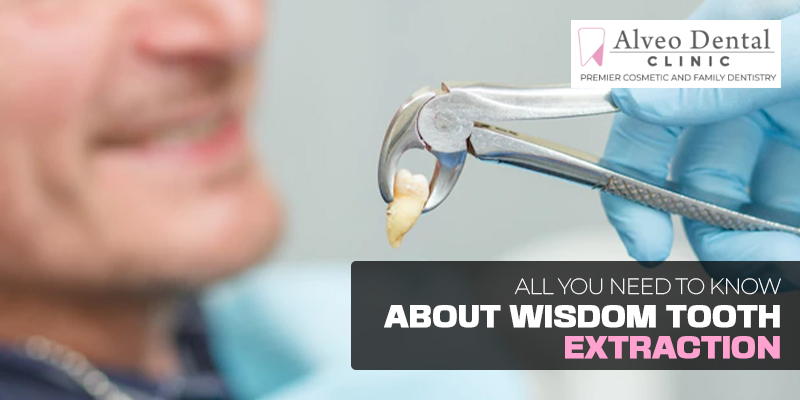
All You Need to Know About Wisdom Tooth Extraction

wisdom tooth pain treatment gurgaon

There are two different scenarios when it comes to growing teeth. It may be an exciting experience for children to lose their baby teeth and watch their adult teeth slowly grow in. For teenagers and adults, the growth of a wisdom tooth brings extensive tenderness and discomfort.

Wisdom teeth, also known as third molars, are the last permanent teeth to erupt in the mouth. A wisdom tooth usually appears between the ages of 17-25. However, not everyone develops a wisdom tooth. Some people may not experience any discomfort, as their wisdom teeth emerge normally- just like other molars, and cause no problems.

Numerous people may also experience the development of impacted wisdom teeth (teeth which don’t have enough room to develop normally in the mouth). An impacted wisdom tooth may only grow partially or not at all.

What is the need for wisdom tooth extraction?

Many times, wisdom teeth do not have room to grow or emerge properly and can lead to pain, discomfort, infection or other dental problems. A wisdom tooth can grow at different angles in a jaw. Problems can occur due to wisdom teeth which –

  • Remain hidden within gums: If wisdom teeth don’t erupt normally, they can be trapped (impacted) within the jaw. At times, this can lead to infection or a cyst which can damage other roots or bone support.
  • Erupt partially through the gums: Wisdom teeth partially emerge from a pathway that might attract bacteria that cause gum disease and oral infections since this area is difficult to notice and clean.
  • Adjacent teeth are crowded: Wisdom teeth may crowd or harm nearby teeth if they don’t have enough room to erupt properly.

If wisdom teeth do not emerge properly and cause discomfort to you, dentists recommend extraction. As per dentists, it is better to get wisdom tooth extraction done at a younger age before the bone and roots are fully developed and in situations where recovery is generally faster after surgery. Due to this, many young adults get their wisdom teeth removed before it starts becoming problematic.

The Procedure of Wisdom Tooth Extraction in Gurgaon:

  • Sedation: Selection and administration of the sedative so that you don’t feel pain during the procedure.
  • Numbing: Post sedation, the surgeon will start the procedure by numbing the area with an anaesthetic.
  • Tissue removal: If there are any gum tissues which cover the area where the wisdom tooth is located.
  • Bone removal: If the impacted wisdom tooth is fully or partially covered with bone, the surgeon will use a high-speed handpiece to drill through and remove the bone covering it.
  • Loosening and sectioning: When the tooth is finally visible, the dentist uses various surgical instruments to gently loosen the teeth from connective tissue in the tooth’s socket.
  • Tooth removal: After the wisdom tooth is loose or completely sectioned, it can now be removed. After the removal, the surgeon may add stitches to close up the area.

Wisdom tooth removal is a necessary dental procedure if the tooth is causing dental problems and pain. If you wish to get wisdom tooth extraction in Gurgaon, connect with Alveo Dental. We are a leading dental clinic based in Gurgaon, offering the finest-quality dental care to patients. Schedule an appointment to get a wisdom tooth extraction today.

The Benefits of Getting Your Teeth Treatment at the Best Periodontist

prosthodontist

There is no denying the fact that choosing a dentist for your routine dental treatment is a wise decision. However, when it comes to certain dental problems, additional assistance from a professional could be required. Has your dentist brought up anything like soft tissue grafts or dental implants or gum recession? Do you experience recurrent cases of gum disease? These are just a few of the dental issues that can need seeing a periodontist. You’re reading the proper article if you’re debating whether or not you should make an appointment with the best periodontist in Gurgaon. Furthermore, we’ll also look at the four primary advantages of having a periodontist assess your dental health.


Who is a Periodontist?


Priorities come first. Before reading the main points of this text, it’s crucial to comprehend what a periodontist does. Despite the fact that periodontists and dentists have many similar characteristics (such as educational backgrounds), the latter pursue additional study to get a specialised understanding of the gums, or gingiva. Consequently, periodontal experts concentrate on ailments, infections, and other health problems that impact the gums. Aspiring periodontists pursue specialised training and obtain a second degree in addition to the typical dental doctorate.


The Advantages Of Seeing A Periodontist


Pain Relief


Pain alleviation is unquestionably one of the most popular advantages of periodontal treatment. In most cases, gum disorders are painful. Gums that are infected by bacteria swell up, become extremely sensitive, and hurt. They frequently start bleeding at the least pressure, commonly when brushing. Within the first several days of treatment, periodontics can significantly lessen pain.


Provides Specialised Treatment for Gums


Gum disease and gum infection can lead to inflammation in the spaces between your teeth and gums, which may call for specialised treatment. Scaling and root planning, a deep cleaning method to make sure your teeth are cleaned below the gum line, is a speciality of periodontists.


Replaces Missing Teeth


A periodontist can give you dental implants if you lose one or more teeth as a result of disease or accident. If you require dental implant surgery, they are the best choice because of their in-depth knowledge of the composition of your teeth, gums, and jaw bone.


Prevents Tooth Loss


Tissues in the gum pocket may suffer irreparable harm from infections below the gum line. A periodontist can handle this situation by performing a process known as root surface debridement. If done promptly, this procedure can stop the infection from leading to tooth loss. As damaged tissues are actually removed during this procedure, it is more intrusive than scaling and root planning in terms of infection management and healing promotion.


Ready To Improve Your Gum Health?


Indeed, Periodontal treatment is always the best. It’s time to take your gum condition seriously and visit the best dentist in India. Alveo Dental Clinic is a renowned cosmetic and family dental practice providing cutting-edge treatments for every member of the family, from infancy to old age. Our comprehensive dental care services include periodontal, Cosmetic dentistry, Veneers, Scaling, fluoride treatments, Root Canal treatments, Child Dentistry, Laser dentistry, and many more. Visit the best dental hospital in Gurgaon today.

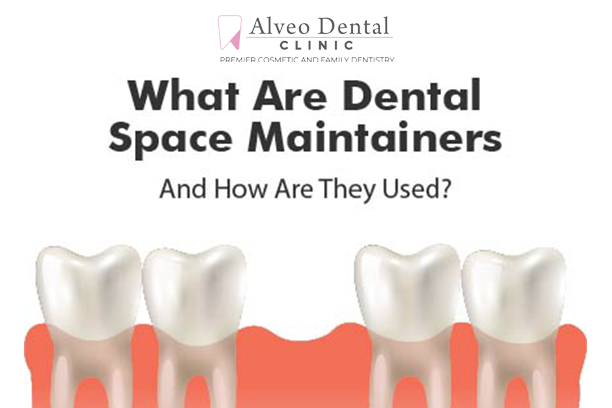
What Are Dental Space Maintainers And How Are They Used?

space maintainers

What is a Dental Space Maintainer?

A space maintainer is an acrylic or metal appliance created on order by a dentist. It is available in both removable and cemented forms in the patient’s mouth, with the goal of keeping the area open for the permanent tooth to erupt and settle into position. When the primary molars are lost prematurely owing to trauma or disease, space maintainers are required. A space maintainer usually allows the permanent teeth to come up into the proper alignment with good tooth-to-tooth contact. In the case of premature front tooth loss, a space maintainer is usually not required. If multiple front teeth are lost and the patient’s appearance is suffering, removable partial dentures may be recommended as a space maintainer.

Space maintainers are used to keep the early molars from moving about and causing space loss for other teeth, such as the adult premolars and canines. If the permanent first molars are not properly positioned, they can migrate forward, preventing the bicuspid teeth from properly erupting. The earliest bicuspids may also shift forward, obstructing the proper eruption of the permanent canines.

When would your child need one?

When a child loses baby teeth early, an orthodontist or pediatric dentist should be consulted about utilizing a space maintainer. Especially in the back of the mouth, where permanent teeth have less area to form and erupt. You will come across the best dentist in Gurgaon that will help in catering to the needs of the clients.

How do space maintainers appear and feel?

Acrylic or metal space maintainers are custom-made. They resemble a retainer used after orthodontic treatment. Rubber bands or metal springs are used in some. They can be permanently attached or easily removed. Your child’s dentist will propose the best type for him or her. If the missing tooth or teeth are in the front of the mouth, a space maintainer appliance with a false tooth or teeth attached can be constructed to fill the gap (s). Consult your dentist about your alternatives.

Is it harmful to use a spacer?

Because spacers aren’t designed to displace or shift teeth, they normally cause minimal discomfort. They are usually immediately accepted by children.

When should a spacer be left in the mouth?

Adult teeth can force the spacer out, therefore space maintainers can stay in the mouth for a long time. It’s also possible to remove spacers before an adult tooth forces them out. When the adult tooth begins to grow in, metal spring-type spacers must be removed. Incoming permanent teeth drive acrylic spacers out on their own.

How do you maintain a space maintainer?

● Sticky candy, fruit snacks, taffy, and chewing gum should all be avoided.
● Brushing and flossing your teeth on a daily basis is essential for good dental hygiene.
● Continue to see your dentist biannually or more frequently if your dentist recommends it.
● Assist your child in not pressing the appliance with their fingers or mouth.

If your child’s primary teeth begin to fall out earlier than expected, the first important thing to do is to see a dentist. A dental space maintainer may be beneficial to your child. It is preferable to err on the side of caution rather than taking chances. If your child needs a spacer but is never fitted for one, he or she may require braces after all of the adult teeth have emerged. Parents have been consulting The best child dentist in Gurgaon Continue reading “What Are Dental Space Maintainers And How Are They Used?”

5 Preventive Dental Care Treatments for Your Children

Dental Care Treatment

Children’s preventative dental treatments are equally as vital as adult preventative dental treatments. Many parents, on the other hand, assume that their child’s teeth are in perfect condition merely because he or she is young. In truth, children and adolescents suffer from oral health problems in the same way that adults do. Kids, in particular, are prone to cavities due to their fondness for sweets, juice, and other sugary treats. 

It becomes important to take extra precautions for your child’s dental care because at that young age they cannot be left alone to take care of their teeth on their own. Parents must make sure to inculcate regular and proper teeth cleaning habits without skipping any day. Brushing teeth both in the morning and night is a must to have good dental health. 

The 5 Preventive Dental Care Treatments for Your Children are as follows:

1. Teeth cleaning: 

At least twice a year, your child’s teeth should be cleaned. Plaque and tartar must be removed, hence this cleaning is required. When flossing and brushing at home, it might be difficult to eliminate plaque, especially in the early years of life. There’s a considerable possibility plaque will accumulate between your child’s teeth. Only the paediatric dentist’s specialist instruments will be able to remove this plaque and prevent cavities from forming.

2. Dental sealants:

Dental sealants are a fluid filling-like substance that a dentist may easily apply to teeth. To prevent cavities from growing and spreading, dental sealants are applied to the chewing surfaces of teeth. When a patient’s molars have very deep grooves along the chewing surfaces, the dentist will generally apply a dental sealant. The sealant will not remain in place if the grooves are not deep enough. If the sealant breaks free and retains plaque, the risk of cavities increases significantly. For the sealant to solidify in place, only two minutes are required per tooth. After hardening, the youngster eats without allowing the food to come into contact with the teeth’s surface. This effective barrier reduces the risk of cavities in children.

3. Space Maintainers:

Specialized dental appliances made of plastic or metal are known as space maintainers. These retainers are completely personalised to fit your child’s unique mouth. Space maintainers are little and pleasant to be around. In a few days or less, your youngster will acclimatise to his or her space maintainer. After a tooth is lost, the space maintainer keeps the vacant space open. It prevents space loss from a prematurely lost milk tooth until the permanent teeth grow, preventing undesired movements. If you’re hesitant to have a space maintainer placed by a paediatric dentist, consider that this method is less expensive and more effective than attempting to move teeth back into their proper positions with orthodontic treatment.

4. Mouthguards:

The majority of paediatric dentists advise that children wear mouth guards. These protective devices can be custom-made at the dentist office to fit your child’s unique mouth shape. When playing sports, mouthguards are worn to protect the teeth and gums from physical impact.

Get an oral comprehensive examination of teeth and gums done regularly for your child by the best child dentist in Gurgaon.

5. Fluoride Treatment: 

Fluoride is a naturally occurring mineral that has been shown to strengthen teeth and reduce tooth decay. Fluoride therapy for kids should begin as soon they develop new teeth, according to experts. Applying a fluoride varnish to a child’s first teeth as a preventive step can strengthen teeth at risk of decay and develop a more resistant tooth surface. Fluoride varnish is used to protect a child’s primary teeth against decay.

There are many child dentists who perform dental treatments. Choose a dentist who is recognised for its accurate diagnoses and effective therapies using cutting-edge technology where you get individualised, pain-free dental care in a relaxed setting. Child dentist performs a variety of dental treatments like teeth cleaning and fluoride, fillings, pulpectomy, pulpotomy, kids crown and sealants. Prevention is very important when it comes to children’s dental. Hence some of the best dentists conduct a toothbrushing session for the youngsters. They help with toothbrush selection, proper teeth brushing technique, flossing, tongue cleaning, and nutrition counselling. 

 One of the best child dentists in Gurgaon is Alveo. It is a prestigious cosmetic and family dentistry facility in Gurgaon’s South Point Mall. Premium services, trust, preventive, education, health, technological excellence, and honesty are its guiding principles.

Pregnancy Dental care Tips

Dental care during pregnancy

It’s important for you to take good care of your gums and teeth during pregnancy. Pregnancy causes ‘n’ numbers of hormonal changes which enhances the overall risk of generating teeth and gums diseases and this, in turn, effects on the health of conceiving mother and her baby. Following are some beneficial tips that help you to maintain better oral hygiene before, during & after your pregnancy.

1). Don’t brush your teeth after morning sickness

If you are vomiting frequently, try rinsing your mouth with a teaspoon of baking soda mixed with water instead of brushing your teeth directly after vomiting. When stomach acids repeatedly come into contact with teeth, it can cause tooth enamel to wear away.

2). Increase the amount of calcium
What you eat in your pregnancy affects your teeth and development of your kid’s teeth as well. Thus, it is important to increase your calcium amount while you are pregnant. A sufficient amount of calcium will lower the risk of severe disease – osteoporosis, and help your kid to develop strong teeth & bones, and also prevent dental cavities/decay.  Good sources of calcium include cheese, milk, spinach, yogurt, and almonds. If you want to add a sufficient amount of calcium in your diet, consult with your doctor and avail with essential supplements that act as the best source for calcium.

3) Add flossing in your daily routine
Pregnancy can enhance the risk of various dental health issues such as gum disease or gingivitis. In reality, 40 percent of pregnant women will suffer from gingivitis in their pregnancy and it is also called pregnancy gingivitis. Now, the question is what you have to do to prevent this severe disease? Regular flossing is one of the essential steps that you can perform for obtaining good dental health. But, it is very much crucial when you are expecting. Flossing removes the germs & food particles between your teeth and protects them from turning to plaque.  Flossing in your daily habit helps to avoid plaque build-up.

If you think you are suffering from severe gum disease, you have to act faster than later. When the gingivitis left untreated, it will turn into periodontitis which is more damaging to your oral health. Periodontitis can damage your jawbone and gums. If you experience some symptoms of gingivitis like bleeding gums, tenderness or pain while chewing, you have to seek help from the dentist and schedule your appointment.

4) Do not postpone the dental appointment
There is a better way to maintain your gums and teeth in a superior shape i.e. going to your family dentist. Your family dentist can catch your dental issues before they get serious & offer you the best dental treatment. Moreover, it is absolutely safe to go for a regular dental check-up when you are pregnant & urgent dental processes if they are required.

Bottom Line
Rely on the above tips for Pregnancy Dental care and safeguard your dental health. If you are experiencing any kind of worrisome symptoms and gum irritation, & you want to attain a complete peace of mind that comes with regular dental checkups. Book your appointment with your dentist and gain a win-win situation with healthy teeth and a beautiful smile.

7 Night Time Tips for improving your Dental health

Dental Care

Even though it is not evident but our mouth undergoes with ‘n’ numbers of things while we are awake & also while we are in sound sleep. Moreover, we chew our foodstuffs with our teeth, consume various kinds of drinks, and use our teeth to perform an array of other odd things.  This results in an increased count of harmful bacteria in our mouth and it particularly happens in sleep. These bacterias invite plaque, cavities, tartar, and gingivitis in your mouth. Staying away from these kinds of oral diseases is quite simple. Rely on the following tips and improve your overall oral health –

1). Make your Habit – Brush before bed
Yes, do not forget to brush your teeth before going to bed for sleep. Doing this will help you in protecting your teeth from harmful bacteria build-up, gum disease, and tooth decay issues. This step will enhance your overall oral health. Moreover, if you are suffering from any type of oral health problems or gum issues, you have to brush your teeth instantly after your dinner. Brushing teeth is also known as the best dental treatment.

2). Smoothly Massage In Your Teeth
When you brush your teeth, clean it gently again and again. Brushing your teeth involves various patterns. And, according to the dentist, the best and most favourable way to clean your teeth is to brush your teeth back & forth gently. Make sure, you have to brush on your outer tooth surface first, then simultaneously go to the inner surfaces and followed by your chewing tooth surfaces. Moreover, when you clean the backs of a front tooth, you have to use the tip of your toothbrush and stroke it gently up & down. This process will gently remove all bacteria & dirt which will stick on your teeth and you feel fresh for the whole day.

3). Switch to the electric toothbrush.
Dentists suggest the use of an electric toothbrush is the best way to improve your oral health. The oscillating and rotating movement of an electric toothbrush’s head finally removes the plaque from the teeth more powerfully than that of the regular toothbrushes. But, while choosing your electric brush, make sure it is easy to use, comfortable to hold and featured with rotating-oscillating head.

4). Don’t only brush — floss!
Brushing and flossing both are the essential processes to maintain your oral hygiene. Flossing removes food & plaque build-up from in between teeth and it is a soft process. If the leftover food from in between teeth, stays for long, harmful bacterial activity is increased all through the night. Moreover, when plaque hardens it turns into tartar. The tartar is hard and it can only be removed by the dentist or hygienist during the professional cleaning. Hence, flossing at night time is appropriate for most of the people, but if you are prone to tartar build-up or gum disease, dentists recommend to floss in the morning as well.

5). Be aware of teeth grinding
If you experience an increase in tooth sensitivity, damaged tooth enamel, or tattered cheek tissue then you are most likely grinding your teeth or Bruxing while you are sleeping. The dentist may stop your Bruxing/Grinding and also guard your mouth with some additional stuff and protect your teeth from the severe effects of grinding.

6). Consult your dentist on a regular basis
Make sure about scheduling your regular dental checkups & cleaning sessions. Your dentist will assist you to keep your teeth & gums healthy over the long run. Keep in mind, the additional maintenance and other preventive care tips are also important for a healthy and clean mouth.

Bottom Line
Bid your last ‘Bye’ to all kinds of dental issues by following the above night-time tips. It is very significant for you to be conscious of your mouth. Once you are unaware of your oral hygiene then you might have to undergo severe dental issues in the long run.

Sensitive teeth: Medicines & All You Need To Know

sensitive-teeth-tips

Do you sometimes feel those cold jitters after having a sip of cold drink or a scoop of ice cream? Do you know what it is and what exactly triggers it? Those jitters are actually known as tooth sensitivity.  You may experience jitters that can be painful and may lead to discomfort. These may increase if you don’t start taking care of it timely. Spontaneous tooth pain occurs for the first-timers.

Some people have teeth sensitivity naturally than others have it due to thinner enamel. People with sensitive teeth may experience pain or discomfort as a response to certain triggers. You may feel this pain at the roots of the affected teeth.

The most common triggers include:

  • Hot foods and beverages
  • Cold foods and beverages
  • Excessive of sweet foods and beverages
  • Acidic foods and beverages
  • Coldwater.

There are many ways to deal with sensitive teeth. Some prefer to use mouth gel or others go for direct dental treatments. There are medicines available for sensitive teeth, these are –

Desensitizing Toothpaste 

After several applications desensitizing toothpaste helps in easing the pain associated with sensitive teeth. Desensitizing toothpaste like Sensodyne is easy for application and widely available. These toothpaste contain ingredients such as strontium chloride and potassium nitrate that help block the transmission of jitters from the surface of your tooth.

Fluoride

Your dentist might apply fluoride to the sensitive areas of your teeth to strengthen your tooth enamel and reduce the pain. Fluoride application should be used under the advice of your dentist only. Or else it leads to might lead to allergies. Prescription fluoride at home is used and applied via a custom tray.

Root Canal Treatment

Root canal treatment is one significant cure for those who are going through severe pain of teeth sensitivity. The main target for the dentist here is to remove the nerves from the dental pulp of the decayed/rotten teeth. This treatment is thought to be very painful but in actuality is a pain-relieving treatment. This is so far the best treatment for the tooth sensitivity arising from the exposed dental nerves.  

There are certain clauses that you need to keep in mind what to avoid to prevent teeth-sensitivities :

  • Brush your teeth twice a day with a soft-bristled toothbrush,
  • Use fluoride toothpaste and floss daily,
  • Use gentle strokes, rather than vigorous or harsh scrubbing, and avoid using abrasive toothpaste.
  • If you grind your teeth, ask your dentist about a mouthguard. Tooth grinding can fracture teeth and cause sensitivity.

Important Facts About Dental Implants

Important Facts About Dental Implants

Do you have missing teeth? Or Root stumps?? Or loose dentures? Then think no more! Dental Implant is the closest solution to resolving these issues. Let’s first understand what is the meaning of

Dental Implants:

A dental implant is a surgical fix that interfaces with the bone of the jaw to support a dental prosthesis such as a crown, bridge, denture, and facial prosthesis. The main advantage of Dental Implants lies in the root cause of fixing your facial and bone features.

Dental Implants also help restore your jawbone structure because they reduce the load on the remaining oral teeth.

It helps in preserving natural bone tissue and reduces bone contraction if not which may result in loss of jawbone height.

Three stages of the Dental Implant procedure –

The Implant

Your dentist will place the implant on the jawbone. Because you no longer have the tooth roots, it will be essentially the prosthetic tooth roots.

The Abutment

When you have a crown placed on an actual tooth, the abutment is attached to the implant to create a very secure anchor so that it is not misplaced to position the crown that replaces the tooth.

The Crown

It exactly looks like the tooth it replaces. An implant crown is a prosthetic tooth that is made from a mold of your mouth so that it is customized to fit into your mouth with proper measurements and size.

Some amazing facts regarding Dental implants –

Mayan Origin

Ancient dental implants have been traced back to around 600 AD when tooth-like pieces of shell were hammered into the jaw of a Mayan woman. During that time people preferred pain over painless treatment unlike now. Time has made the evolution in Dental Implants quite modern. Today most implants are used to replace either single or multiple missing teeth. The implants first used in the were basically a fixed size for all designs.

Preserves Natural Bone 

Dental implants are the only dental restoration option that preserves the natural jaw bone, helping to stimulate the bone structure. Natural Jaw bone is important for Vitamin D and K, both having different roles in bone health. It is high in calcium too.  

Titanium Material 

Modern Dental Implants are made up of titanium. Titanium is one metallic element that blends and fuses with the body very well and it is strong and so lightweight that dental surgeons use it for dental implants.

Dental health is very important for a healthy and lively lifestyle. Dental Implant is less expensive and affordable dental implants are also available. A less expensive procedure may take care of things now. Think of the cost of implants as an investment in the health of your mouth. Talk to your dentist to find out whether a dental implant procedure is right for you and make sure you have a healthy mouth.